
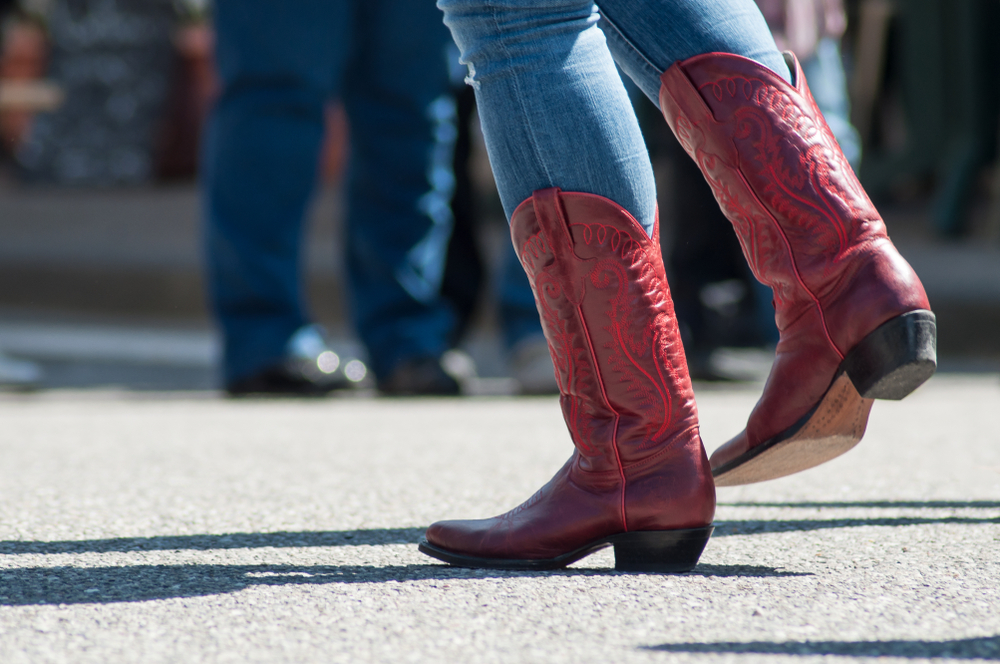
How to Break In New Cowboy Boots Without Pain
Few things in fashion carry the same rugged promise as a brand-new pair of cowboy boots. They look incredible on the shelf, but the moment you pull them on for the first time, reality sets in fast. Stiff leather, unyielding soles, and a snug fit that refuses to cooperate can turn an exciting purchase into a painful experience. The good news is that breaking in cowboy boots does not have to be a weeks-long ordeal filled with blisters and regret.
With the right approach and a little patience, you can get your boots to mold to your feet comfortably and still hold their shape for years to come.
Why Cowboy Boots Feel So Stiff at First
Cowboy boots are built to last, and that durability comes at a price during the first few wears. Most quality boots are constructed from thick, full-grain leather that has been shaped and stitched under pressure. The leather has not yet had a chance to flex, soften, or conform to the unique contours of your foot. The shank, which is the rigid support running along the arch, also adds to that inflexible feel in the beginning.
It helps to understand that the break-in period is not a design flaw. It is actually a sign of quality. Cheaper boots made from bonded leather or synthetic materials may feel more comfortable out of the box, but they also wear out faster and lose their shape. A well-made pair of leather cowboy boots is essentially an investment that pays off once the leather relaxes and the boot becomes uniquely yours. The key is bridging the gap between “brand new” and “perfectly worn in” without damaging your feet or the boots along the way.
The Best Methods for Softening the Leather
One of the most reliable ways to speed up the break-in process is to condition the leather before you even wear the boots outside. A good leather conditioner or boot oil, such as mink oil or neatsfoot oil, penetrates the leather fibers and makes them more pliable. Apply a thin, even coat to the entire exterior of the boot, paying extra attention to the vamp (the front part of the boot) and any areas that feel especially rigid. Let the conditioner absorb overnight before wearing the boots.
Another popular method is the thick sock technique. Put on two pairs of thick wool socks and then lace up your boots. Walk around the house for short intervals, giving the leather time to stretch and conform without overloading your feet. Do not push through significant pain during this process. Mild pressure and a slight tightness are normal, but sharp pinching or numbness is a signal to take the boots off and rest.
Some boot wearers swear by the warm water method, though it should be used with caution. Lightly dampening the outside of the leather and then wearing the boots as they dry allows the leather to stretch and shape itself around your foot. Never submerge the boots in water, and always follow up with a conditioner afterward to prevent the leather from drying out and cracking.
How to Protect Your Feet During the Break-In Period
Even with the best preparation, your feet will likely experience some friction during those first few wears. The key is minimizing damage before it starts. Moleskin pads are your best friend here. Apply them to any area where you feel the boot rubbing, particularly along the heel, the sides of the foot, and the top of the toes. Moleskin creates a soft barrier between your skin and the leather, reducing the chance of blisters forming.
Heel grips are another practical tool. Cowboy boots are notorious for slipping at the heel, especially in the early stages when the insole has not yet compressed to match your foot. A stick-on heel grip inside the boot adds friction and keeps your heel seated properly, which also helps prevent that repetitive rubbing motion that causes blisters.
Pay attention to the seams and stitching inside the boot as well. Some boots have interior seams that can irritate the sides of your feet. A thin liner sock worn underneath your thicker pair can reduce that direct contact and make the first few outings considerably more comfortable.
Wearing Your Boots the Right Way to Speed Up the Process
Consistency matters when breaking in cowboy boots. Sporadic, long wears are harder on your feet than short, regular sessions. Start by wearing your boots for one to two hours at a time around the house. Increase the duration gradually over the course of a week or two. By the time you take them out for a full day of wear, the leather will have already begun conforming to your foot and the worst of the stiffness will be behind you.
The type of activity also makes a difference. Walking on varied surfaces, going up and down stairs, and shifting your weight in different directions all help flex the boot in multiple areas. Avoid standing completely still for long periods during the initial break-in sessions, as this does not give the leather much opportunity to work.
If the shaft of the boot feels particularly stiff around your calf or ankle, try rolling the shaft gently back and forth by hand between sessions. This manual flexing loosens the leather without putting your foot through unnecessary strain. A boot stretcher can also be inserted overnight to help open up the toe box or widen specific pressure points without the need to wear the boots at all.
When to Call In Professional Help
Sometimes a pair of boots just needs more than home remedies can offer. If you are dealing with a toe box that is genuinely too narrow, or if the heel cup is causing persistent pain after several sessions, a professional cobbler can work wonders. Cobblers have stretching tools designed specifically for cowboy boots and can target precise areas with a level of control that home methods simply cannot match.
A cobbler can also punch additional holes or adjust the fit of any interior components that may be causing problems. If you paid good money for a quality pair of boots, investing a small additional amount in professional stretching is well worth it rather than forcing through an ill-fitting pair and ending up with damaged feet or damaged leather.
Conclusion
Breaking in cowboy boots takes time, but it does not have to be miserable. By conditioning the leather early, using protective pads, and building up your wear time gradually, you can move through the break-in period with minimal discomfort. Stay patient, listen to your feet, and resist the urge to rush the process. Once those boots are broken in, you will have a pair that fits like they were made just for you, because in many ways, they now are.
Need a Cowboy Store Near You?
We’d love to help you find your next favorite piece of western wear or the perfect addition to your tack collection! At The Outpost, our knowledgeable and friendly team is here to answer your questions, offer expert advice, and help with special orders—always with no extra fees. Whether you’re local to Trafalgar, IN, or shopping from anywhere in the U.S., we’re ready to serve you. Give us a call or come visit us today—we can’t wait to welcome you!
Categorised in: Cowboy Boots