
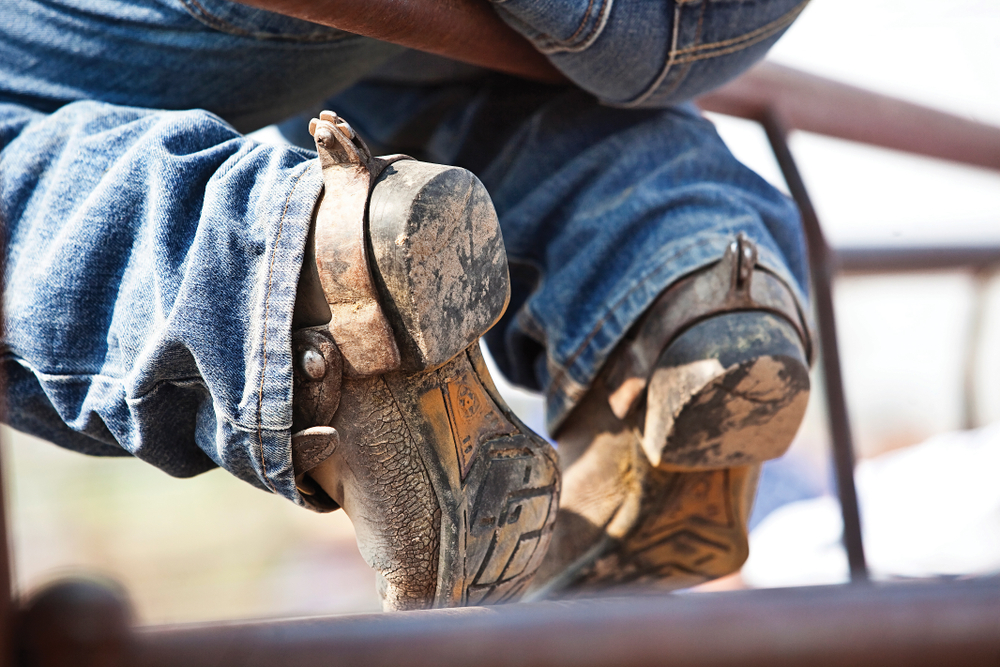
How to Choose the Right Cowboy Boots for Work, Horseback Riding, and Everyday Wear in Indiana
Finding the right cowboy boots in Indiana means choosing footwear that can handle your daily activities, whether you’re working outdoors in Johnson County, horseback riding near Trafalgar, or heading into town for the weekend. With muddy spring conditions, hot summers, and cold winters, Hoosiers need boots that balance comfort, durability, and practical performance.
Not every cowboy boot is designed for the same purpose. Understanding the differences between work boots, riding boots, and everyday western boots can help you find a pair that fits your lifestyle.
Quick Answer: How Do You Choose the Right Cowboy Boots?
The best cowboy boots depend on how you plan to wear them. Work boots should provide traction, support, and appropriate protection for your job. Horseback riding boots need a suitable heel, smooth sole, and a shape that works safely with your stirrups. Everyday cowboy boots should prioritize comfort, fit, and versatility. Indiana’s changing weather also makes leather quality, water resistance, and sole construction important considerations.
What Indiana Cowboy Boot Shoppers Should Know
-
Work boots need job-specific features. Farm chores, construction work, and outdoor maintenance may require different levels of traction, water resistance, and toe protection.
-
Riding boots have a distinct purpose. Riders around Trafalgar and southern Johnson County should choose boots designed to work with their saddle and stirrups.
-
Everyday boots should fit comfortably from the beginning. Leather may soften with wear, but a boot that causes significant pain is unlikely to become a good fit.
-
Indiana weather affects boot performance. Mud, rain, snow, and summer heat can influence which leather, outsole, and lining work best.
-
The right fit matters more than appearance alone. Heel movement, instep pressure, toe room, and boot width all affect long-term comfort.
Why Choosing the Right Cowboy Boots Matters in Trafalgar, Indiana
Choosing the right cowboy boots in Trafalgar means accounting for both how you use them and the conditions you’ll encounter throughout the year. A boot that works well for an evening out in Franklin may not provide the traction or protection needed for farm chores, muddy pastures, or long days on your feet.
In communities such as Trafalgar, Nineveh, Bargersville, and Morgantown, western boots can serve several purposes. Some residents need dependable footwear for outdoor work, while others ride horses, attend agricultural events, or simply appreciate western style.
Indiana’s seasonal changes make versatility especially valuable. Spring rain can create slippery ground, summer temperatures can make heavy boots uncomfortable, and winter moisture can damage poorly maintained leather.
At The Outpost in Trafalgar, IN, we understand that choosing cowboy boots involves more than finding a style you like. The right pair should match your activities, fit your feet properly, and suit the conditions where you’ll wear them.
How Indiana Weather Affects Cowboy Boot Performance
Indiana weather affects cowboy boot performance through moisture exposure, temperature changes, and seasonal ground conditions. For residents of Johnson County and nearby Brown and Morgan counties, selecting appropriate materials and maintaining boots regularly can make a meaningful difference in comfort and longevity.
Consider these common seasonal conditions:
-
Spring: Rain, wet grass, and muddy ground make traction and water resistance especially useful.
-
Summer: Warm temperatures increase the importance of breathable linings and moisture-managing socks.
-
Fall: Cooler mornings and changing ground conditions favor comfortable, versatile boots with dependable outsoles.
-
Winter: Snow, road salt, and slush can damage leather and create slipping hazards.
Leather cowboy boots are popular because they can provide durability, flexibility, and a traditional western appearance. However, untreated leather is not automatically waterproof.
For frequent exposure to standing water or saturated ground, a purpose-built waterproof work boot may be more appropriate than a traditional leather western boot.
Choosing Cowboy Boots for Farm Work and Outdoor Jobs
Choosing cowboy boots for farm work and outdoor jobs starts with identifying the hazards you encounter, including slippery ground, heavy equipment, uneven surfaces, and extended standing. Around Trafalgar and rural southern Indiana, work-focused western boots should prioritize appropriate protection, dependable traction, and all-day support over decorative details.
Features to Look for in Western Work Boots
Durable leather uppers
Full-grain leather is commonly used in work boots because of its strength and resistance to everyday abrasion. Proper cleaning and conditioning help maintain its flexibility.
Slip-resistant outsoles
Rubber and other traction-focused outsole materials can provide better grip on many wet or uneven surfaces than smooth leather soles. Actual slip resistance depends on the tread design and surface conditions.
Appropriate toe protection
Some workplaces require safety-toe footwear. If your job involves falling objects, compression hazards, or specific employer safety requirements, look for boots that meet the applicable protective footwear standards.
Supportive construction
A stable shank, supportive footbed, and properly fitted heel can improve comfort during long workdays.
Weather-appropriate protection
For outdoor jobs involving rain, mud, or wet vegetation, consider waterproof construction and materials designed for repeated moisture exposure.
When Work Boots Are the Better Choice
Western work boots are generally the better choice when you’re handling livestock, performing property maintenance, working around equipment, or spending hours on uneven terrain.
For Indiana residents who divide their time between outdoor chores and other activities, having a dedicated work pair can also help preserve dressier cowboy boots.
Choosing the Right Cowboy Boots for Horseback Riding
Choosing cowboy boots for horseback riding means prioritizing footwear that works safely with your stirrups. Riders in Trafalgar and surrounding Johnson County communities should look for a defined riding heel, an appropriate sole, and a boot shape that allows the foot to enter and release from the stirrup without unnecessary resistance.
Essential Features of Riding Boots
A defined heel
Traditional western riding boots have a distinct heel that helps reduce the likelihood of the foot sliding too far forward through the stirrup. Heel height and shape should suit your riding discipline and equipment.
A suitable outsole
Traditional riding boots often feature smooth leather soles that allow easier movement in and out of stirrups. Some riding-specific synthetic soles also work well, but thick, aggressive tread patterns can create interference.
A comfortable shaft
The boot shaft should offer coverage and fit comfortably without restricting leg movement.
A secure instep
A properly fitted instep helps hold the boot in place while riding. The foot should feel secure without painful pressure.
Riding Boots vs. Western Work Boots
Although both styles may look similar, they serve different purposes.
Western work boots frequently feature broad, traction-oriented outsoles and protective construction. Riding boots emphasize stirrup compatibility and controlled foot movement.
Before riding, make sure your boots work with your specific stirrup design. Boots with oversized soles, bulky toe shapes, or deep tread can increase the risk of a foot becoming trapped.
For riders traveling between barns, trails, and agricultural properties around southern Indiana, choosing footwear specifically intended for riding is an important safety consideration.
Choosing Cowboy Boots for Everyday Wear in Indiana
Choosing cowboy boots for everyday wear means finding a pair that feels comfortable, complements your clothing, and suits the surfaces you regularly walk on. Whether you’re running errands in Franklin, meeting friends in Bargersville, or attending a local event near Trafalgar, everyday western boots should offer practical comfort without sacrificing personal style.
Popular Everyday Cowboy Boot Styles
Classic western boots
Traditional western boots feature recognizable stitching, shaped toes, and western-style heels. They’re a versatile option for jeans and casual outfits.
Roper boots
Roper-style boots typically have shorter heels and rounded toes. Their design can appeal to people who want a western appearance with a more understated profile.
Square-toe cowboy boots
Square-toe styles offer a distinctive western look and can provide a different toe-box shape. Actual comfort depends on the boot’s dimensions and fit, not simply the toe shape.
Western fashion boots
Fashion-focused boots may feature decorative stitching, distinctive leather finishes, or more pronounced toe and heel shapes.
These can be excellent choices for social occasions, but their construction may not be suitable for demanding work or riding.
Warning Signs You’re Wearing the Wrong Cowboy Boots
The clearest warning signs of poorly fitted cowboy boots are persistent pain, excessive heel movement, unstable footing, and pressure that doesn’t improve after a short period of wear. Indiana shoppers should address these issues before committing to long workdays or riding sessions in a new pair.
Watch for these seven signs:
-
Your toes feel cramped. Your toes should have room to rest naturally without being compressed.
-
Your heel slips excessively. Slight movement is common in new pull-on boots, but significant lifting can indicate an incorrect fit.
-
Your instep feels painfully tight. The boot should hold your foot securely without causing numbness or sharp pressure.
-
Your feet become uncomfortable quickly. Persistent discomfort may indicate insufficient support or an incorrect size.
-
The outsole slips on common surfaces. The tread or sole material may not match your working conditions.
-
The boot bends or twists excessively. Inadequate stability can make demanding activities uncomfortable.
-
You develop repeated blisters or pressure points. Frequent rubbing can signal poor fit, incorrect socks, or unsuitable boot construction.
Don’t assume that every fit problem will disappear as the leather breaks in.
When to Ask for Help Choosing Cowboy Boots
It’s worth seeking knowledgeable footwear assistance when you’re uncertain about sizing, selecting boots for a specific job, or choosing footwear compatible with riding equipment. For shoppers in Trafalgar, comparing different constructions and fits before purchasing can prevent unnecessary discomfort and help narrow down the most practical options.
You can evaluate basic comfort yourself by trying boots with the socks you expect to wear, walking on a safe surface, and checking toe room and instep pressure.
However, specialized situations deserve additional attention. Workplace safety requirements should be confirmed with your employer, while riding-related concerns should be discussed with a qualified riding instructor or knowledgeable tack professional.
A boot that feels comfortable in a store still needs to meet the requirements of its intended activity.
Common Reasons Cowboy Boots Wear Out Too Quickly in Indiana
Cowboy boots often wear out prematurely because of repeated moisture exposure, improper cleaning, unsuitable sole selection, and wearing the same pair for activities beyond its intended purpose. Southern Indiana’s wet springs and variable winters can make these problems especially noticeable for people who spend considerable time outdoors.
1. Repeated Exposure to Mud and Water
Mud and moisture can gradually affect leather and stitching, especially when boots remain dirty or damp.
2. Poor Drying Practices
Placing soaked leather boots directly against intense heat can cause drying, stiffness, and damage. Allow them to dry gradually at room temperature.
3. Using Dress Boots for Heavy Work
Decorative boots and smooth leather soles may experience unnecessary wear when repeatedly exposed to gravel, mud, and abrasive work environments.
4. Neglecting Leather Conditioning
Leather can lose flexibility over time. Using a conditioner appropriate for the specific leather helps maintain its condition.
5. Wearing Boots With the Wrong Fit
Poor fit can create uneven wear, repeated friction, and premature damage to certain areas of the boot.
How to Maintain Cowboy Boots Through Indiana’s Changing Seasons
Maintaining cowboy boots in Indiana requires regular cleaning, appropriate leather care, and careful drying after wet-weather use. Residents around Trafalgar can extend the useful life of their footwear by adjusting maintenance habits to seasonal conditions rather than waiting until visible cracking or damage appears.
A Practical Seasonal Boot Care Checklist
-
Spring: Remove mud after outdoor activities and allow damp boots to dry thoroughly.
-
Summer: Let boots air out between wears and use suitable socks to help manage moisture.
-
Fall: Inspect stitching, soles, and heels before outdoor activities become more demanding.
-
Winter: Remove road salt and slush promptly, using cleaning methods appropriate for the leather.
For everyday care, use a soft brush or cloth to remove loose dirt. Apply leather-care products according to the manufacturer’s instructions.
Suede, exotic leathers, and certain specialty finishes require different products from conventional smooth leather.
Avoid soaking leather unnecessarily or using household cleaners that may damage its finish.
What to Expect From a Properly Fitted Pair of Cowboy Boots
Properly fitted cowboy boots should feel secure across the instep, allow comfortable toe movement, and provide support appropriate for their intended use. For Indiana shoppers, the goal is a pair that remains comfortable during normal activities without relying on excessive stretching or a painful break-in period.
New pull-on cowboy boots may allow a small amount of heel movement, which can lessen as the sole becomes more flexible.
Leather uppers can also soften and conform somewhat to your feet with use. However, significant sizing problems, compressed toes, and painful pressure points generally require a different fit rather than more break-in time.
A well-chosen pair should also match your environment. Comfortable everyday boots are not necessarily suitable for heavy construction work, and durable work boots are not automatically safe for horseback riding.
Common Mistakes Indiana Shoppers Make When Buying Cowboy Boots
The most common cowboy boot buying mistakes involve choosing appearance over function, guessing at sizing, and assuming one pair can handle every activity. Shoppers around Trafalgar can avoid these problems by deciding how the boots will be used before comparing styles.
| Common mistake | Potential consequence | Better approach |
|---|---|---|
| Buying based only on appearance | Poor comfort or unsuitable performance | Choose the intended activity first. |
| Assuming regular shoe sizing will match | Tightness or excessive movement | Try the specific brand, style, and width. |
| Choosing smooth soles for muddy work | Reduced traction | Consider work-oriented rubber outsoles. |
| Riding in bulky work boots | Possible stirrup interference | Select riding-compatible boots. |
| Ignoring Indiana’s wet weather | Premature leather deterioration | Choose suitable materials and maintain them. |
| Expecting painful boots to stretch | Ongoing discomfort | Find a better-fitting pair before purchasing. |
A Common Cowboy Boot Shopping Scenario in Southern Indiana
A common cowboy boot shopping scenario in southern Indiana involves someone who works outdoors during the week but also wants boots suitable for casual outings. The challenge is finding a style that looks good without compromising traction, comfort, or durability.
Consider a Trafalgar resident who regularly handles property chores, walks across gravel and grass, and occasionally attends events in downtown Franklin.
A decorative western boot with a smooth sole might look appealing but provide less practical traction for wet outdoor work.
A western work boot with a suitable rubber outsole could be the better everyday choice for this person’s routine.
If horseback riding is also part of the schedule, a separate pair of riding-specific boots may be worthwhile.
This example illustrates why matching footwear to actual activities is often more useful than searching for one universal cowboy boot.
Exploring Cowboy Boot Options at The Outpost
Exploring cowboy boot options starts with comparing fit, construction, sole materials, and intended use. At our Trafalgar location, we encourage shoppers to consider where they’ll wear their boots most often and which features matter for comfort, durability, and safety.
For work-focused footwear, pay attention to protective features, outsole traction, and support.
For riding, prioritize stirrup compatibility, heel design, and a secure fit.
For everyday western wear, consider comfort, style, and how the boots pair with your usual clothing.
The best choice is not necessarily the most expensive or decorative option. It’s the pair that fits your feet and suits your routine.
Comparing Work Boots, Riding Boots, and Everyday Cowboy Boots
Work boots, riding boots, and everyday cowboy boots differ primarily in their sole construction, heel design, protective features, and intended use. Comparing these characteristics helps shoppers throughout Johnson County identify the right style without sacrificing important functional requirements.
| Feature | Western work boots | Riding boots | Everyday cowboy boots |
|---|---|---|---|
| Primary purpose | Outdoor work and jobsite activities | Horseback riding | Casual and social wear |
| Typical outsole | Traction-focused rubber or synthetic | Smooth or riding-specific | Leather, rubber, or synthetic |
| Heel design | Work-oriented and stable | Defined riding heel | Varies by style |
| Toe protection | Available in certain models | Generally not safety-toe focused | Usually standard toe construction |
| Weather resistance | Available in waterproof designs | Varies by material | Varies by style |
| Best consideration | Job-specific protection | Stirrup compatibility | Fit and comfort |
If your routine includes multiple activities, separate pairs may provide better performance than trying to make one boot serve every purpose.
Cowboy Boots for Trafalgar and Nearby Indiana Communities
Cowboy boot selection in Trafalgar often reflects the mix of rural work, recreational riding, and everyday western style found throughout southern Johnson County. Residents of Franklin, Bargersville, Nineveh, and nearby Morgantown can benefit from choosing footwear suited to both local conditions and their individual routines.
Whether you’re spending time on a rural property or heading into town, the right boots should support the activities that matter most to you.
The Cost of Choosing the Wrong Cowboy Boots
Choosing the wrong cowboy boots can lead to discomfort, premature wear, and unnecessary replacement expenses. For Indiana residents who depend on their footwear for work or outdoor activities, an unsuitable pair may also create avoidable traction or safety concerns.
Boots with inadequate support can become uncomfortable during extended wear. Incorrect outsole materials may wear quickly or perform poorly on wet ground, while improperly fitted boots can develop uneven wear patterns.
Buying the right construction and fit from the beginning may reduce the need to replace a pair prematurely.
Frequently Asked Questions About Cowboy Boots in Indiana
What type of cowboy boots are best for working outdoors in Trafalgar, Indiana?
Western work boots with durable uppers, appropriate traction, and supportive construction are generally best for outdoor work in Trafalgar. If your job involves heavy equipment or impact hazards, additional safety features may be required. Waterproof construction can also be useful during Indiana’s rainy seasons and muddy conditions.
Can I wear regular cowboy boots for horseback riding in Johnson County?
Some traditional cowboy boots are suitable for horseback riding, but not every western-style boot is designed for that purpose. Riding footwear should have a suitable heel, an appropriate outsole, and a shape compatible with your stirrups. Check your riding equipment and seek qualified guidance before using unfamiliar boots.
Are square-toe or round-toe cowboy boots more comfortable?
Neither square-toe nor round-toe cowboy boots are automatically more comfortable. Comfort depends on the specific boot’s width, toe-box dimensions, instep fit, and construction. Indiana shoppers should try different shapes and focus on whether their toes can rest naturally without pressure, rather than choosing based on appearance alone.
What cowboy boot soles work best for Indiana’s muddy weather?
Rubber or other traction-focused outsoles are often better suited to muddy outdoor conditions than smooth leather soles. However, tread pattern and surface conditions also affect grip. For residents working around wet fields, barns, and rural properties, selecting footwear specifically designed for the environment is particularly important.
How should cowboy boots fit when I first try them on?
Cowboy boots should feel snug across the instep without causing pain, allow comfortable toe movement, and provide a secure overall fit. A small amount of initial heel movement is normal in many pull-on designs. Boots should not pinch your toes or cause numbness, even before they’re broken in.
How often should I condition leather cowboy boots in Indiana?
Leather cowboy boots should be conditioned according to the leather type, manufacturer’s guidance, and how frequently they’re worn. Boots exposed to Indiana’s changing weather may need more attention than occasional dress boots. Clean them first, allow them to dry, and avoid overconditioning, which can affect some leather finishes.
Are waterproof cowboy boots worth considering for southern Indiana?
Waterproof cowboy boots are worth considering if you frequently work outdoors in wet grass, rain, or muddy conditions. Southern Indiana’s seasonal precipitation can make moisture protection useful. However, waterproof membranes and construction may affect breathability, so choose a boot based on your typical exposure and comfort needs.
Can I wear the same cowboy boots for work and casual occasions?
You can wear the same cowboy boots for work and casual occasions when their construction is suitable for both activities. Western work boots often offer a versatile appearance alongside practical features. However, heavy work can scuff leather and wear down soles, so separate pairs may be preferable for dressier occasions.
Where can I shop for cowboy boots near Franklin and Trafalgar?
If you’re shopping for cowboy boots near Franklin and Trafalgar, consider visiting The Outpost in Trafalgar, IN, to explore your footwear needs. Before making a trip for a particular brand, size, or boot type, confirm current inventory and availability so you can focus on options that fit your intended use.
Find Cowboy Boots That Fit Your Indiana Lifestyle
The right cowboy boots should provide the comfort, function, and appearance you need for your daily routine. Whether you’re working outdoors, riding horses, or enjoying western style around Trafalgar, choosing the proper fit and construction makes a meaningful difference.
At The Outpost, we believe that finding the right boots starts with understanding how you plan to wear them.
Find Your Next Pair of Cowboy Boots in Trafalgar, IN
Explore footwear choices with your comfort, activities, and Indiana’s changing seasons in mind.
Categorised in: Cowboy Boots